Ballpark
Puzzle #18 · 7 October 2026
The five questions from that day's Ballpark, each with its answer, the fact behind it and a link to the source. Rather play it first? It is in the archive.
1. How large was the reward that Britain's Longitude Act of 1714 offered for a way to find a ship's longitude at sea?

20,000 pounds sterling
£20,000, worth at least £1.5 million today, says Royal Museums Greenwich. Queen Anne gave the act her royal assent on 9 July 1714. Source
Image: Tatters · CC BY-SA 2.0, cropped
2. At what depth was the deepest fish ever observed, a snailfish seen in 2022?
8,336 meters
8,336 m, in the Izu-Ogasawara Trench in the western Pacific. Days later, the deepest fish ever caught came up from 8,022 m nearby. Source
3. How much does an average sarsen, one of the big upright stones at Stonehenge, weigh?
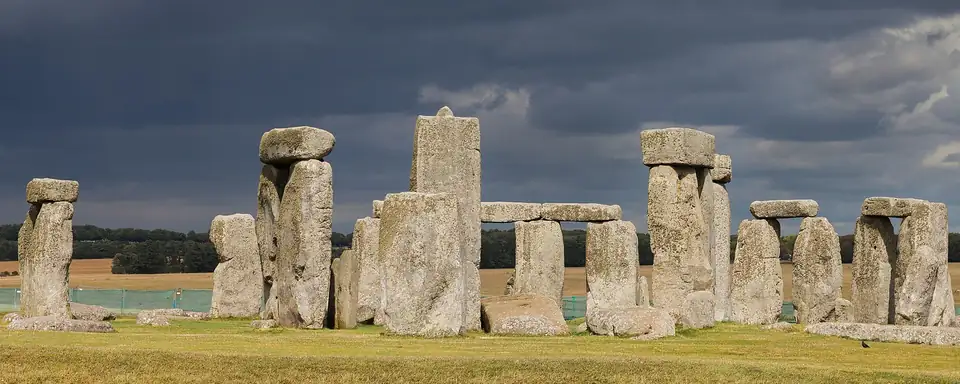
25 tons
About 25 tons on average, hauled some 20 miles. The smaller bluestones weigh 2 to 5 tons and came from Wales. Source
Image: Diego Delso, delso.photo · CC BY-SA 4.0, cropped
4. What is the melting point of tungsten, the highest of any metal?

3,414 °C
3,414 °C, per the Royal Society of Chemistry. That resistance to heat is why old-style light bulbs used tungsten filaments. Source
Image: Pixelmaniac pictures · CC0
5. About how many years does the Sun take to complete one orbit around the center of the Milky Way?
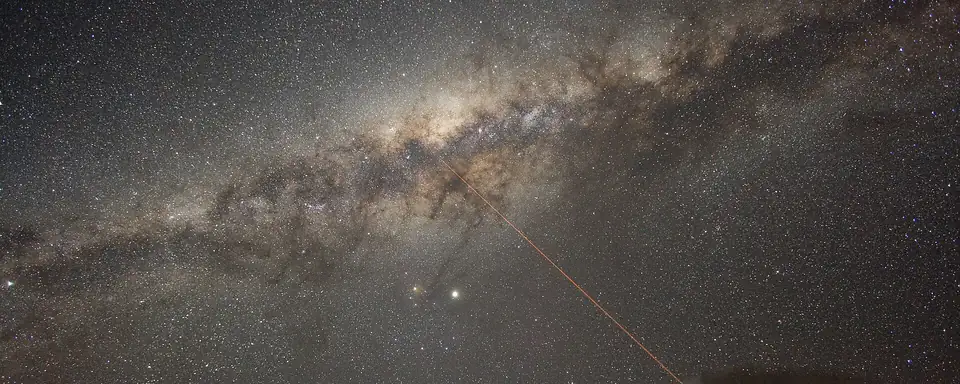
230M years
About 230 million years, even though the solar system is moving at about 720,000 km/h (450,000 mph). Source
Image: ESO/Y. Beletsky · CC BY 4.0, cropped